If you are looking at Waikiki condos, you are probably weighing two goals at once: enjoying the lifestyle now and making a smart long-term purchase. That can be exciting, but Waikiki is not a market where every building works the same way or every unit fits every plan. The good news is that once you understand the rules, costs, and building differences, you can make a much more confident decision. Let’s dive in.
Why Waikiki condo choices vary
Waikiki is not one uniform condo market. Honolulu’s Land Use Ordinance divides the Waikiki Special District into different precincts, including apartment, apartment mixed use, resort mixed use, and public precincts. That matters because building rules, allowed uses, and even resale economics can change from block to block.
For you as a buyer, that means location is about more than being close to the beach or having an ocean view. It also means understanding how the property is legally structured and how that structure affects your plans. A condo that works well as a primary residence may not work the same way for part-time use or rental income.
Condo types you may see in Waikiki
Waikiki buyers often come across high-rise residential buildings, resort projects, and mixed-use condo properties. Some projects in Hawaii are also leasehold rather than fee simple, which adds another layer to your review. If a property is leasehold, the state warns buyers to carefully secure and read the lease documents before moving forward.
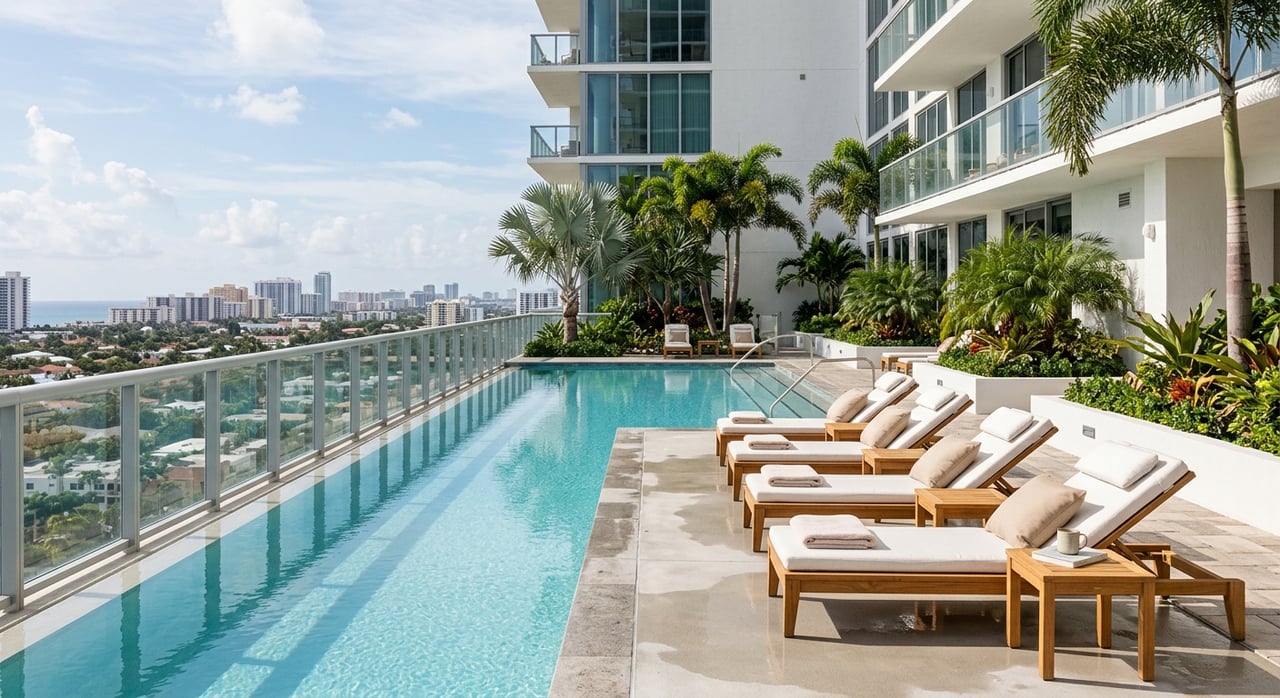
You should also remember that monthly fees usually support much more than basic upkeep. Common elements often include elevators, lobbies, hallways, pools, parking stalls, storage lockers, landscaped areas, and shared utility systems. Those features can add convenience and appeal, but they also shape the building’s budget and your carrying costs.
Lifestyle value starts with the building
When people picture owning in Waikiki, they often think about walkability, ocean air, and a low-maintenance island base. That lifestyle can be very real, but the day-to-day experience often comes down to the building itself. Management style, maintenance quality, and shared amenities can affect your comfort just as much as the unit’s view or finishes.
Larger condo projects often have resident managers or managing agents, while smaller buildings may be self-managed. That difference can show up in service levels, responsiveness, and fee structure. If you want a smoother ownership experience, it helps to look closely at how the association is run and how consistently the property is maintained.
What to review before you buy
In Hawaii, condo ownership is communal by design. You usually control the space inside your unit, share ownership in the common elements, and may have rights to limited common elements like parking or storage. You also automatically become a member of the association and must follow the declaration, bylaws, and house rules.
That is why document review matters so much in Waikiki. Before you rely on a listing description or projected rental income, you want a clear picture of how the building operates, what restrictions apply, and whether the association appears financially stable.
Key condo documents to request
According to Hawaii’s condo buyer checklist, you should review:
- Bylaws
- Declaration
- House rules or policies
- Current annual budget
- Reserve study and audit
- Insurance information
- Property and site manager information
- Attorney information
- Board and association meeting minutes
The meeting minutes are especially important. They can reveal planned capital improvements, special assessments, insurance claims, lawsuits, delinquencies, collections, and other issues that may affect your costs or ownership experience.
Why recorded documents matter
For the most current declaration, bylaws, and condominium map, the Bureau of Conveyances is the final recording agency. Hawaii’s condo database can be helpful, but the state warns that association and project information may be outdated. In a market like Waikiki, where use and value can turn on very specific building details, current recorded documents are essential.
A title report also deserves close attention. It can reveal easements, covenants, conditions, restrictions, agreements, and liens that may materially affect use or value. In Waikiki, access rights and property restrictions can have an outsized impact, so this step is not just a formality.
HOA fees, reserves, and special assessments
One of the biggest mistakes condo buyers make is focusing too much on the list price and not enough on the total monthly picture. In Waikiki, maintenance fees can be significant because they may cover common-area maintenance, management, insurance, utilities, and reserve contributions. Hawaii’s condo guidance also notes that these fees should realistically rise over time with inflation.
That does not mean a higher fee is always bad. In some buildings, it may reflect stronger services, more complete utility coverage, or better reserve planning. The key is understanding what you are getting and whether the association has been budgeting responsibly.
Why reserve studies matter
Reserve studies help answer three core questions:
- What components is the association responsible for?
- How long are those components expected to last?
- What will replacement likely cost?
If reserves are underfunded, the association may need to defer maintenance, borrow money, or issue special assessments. Hawaii’s educational materials make clear that large special assessments in the thousands are not uncommon in projects with weak reserves. For you, that means reserve health is a major part of the investment story.
Carrying costs in Waikiki condos
Buying a Waikiki condo means looking at the full carrying-cost stack, not just the mortgage payment. Property tax classification can make a meaningful difference in annual costs. On Honolulu’s FY2025-2026 schedule, the Residential rate is $3.50 per $1,000 of net taxable value, while a condo assessed above $1,000,000 without a home exemption may fall into Residential A, with $4.00 on the first $1 million and $11.40 above that.
Other classifications, including Hotel and Resort, Transient Vacation, and Long-Term Rental, are taxed at materially different rates. That means the use and classification of the property can directly affect affordability. If you are comparing two units that look similar on paper, their tax treatment may tell a very different financial story.
Insurance and building safety deserve attention
Insurance is another major factor in Waikiki condo ownership. Hawaii’s insurance market remains tight, with stricter underwriting and higher premiums. The state also reactivated the Hawaii Hurricane Relief Fund in 2024 to help associations of apartment owners obtain hurricane coverage amid rising premiums and fewer insurers.
You also want to understand exactly what is and is not covered. Hawaii notes that standard homeowners policies generally do not cover flood, hurricane, or earthquake losses. In a coastal district like Waikiki, you should confirm what the building’s master policy covers, what your personal policy would cover, and whether flood exposure has changed under the latest FEMA maps.
Flood and fire considerations
Updated Flood Insurance Rate Maps affecting more than 3,500 Oahu parcels take effect June 10, 2026. Because of that, flood status should be checked at the parcel level rather than assumed from a general neighborhood description. Two buildings close to each other may not have the same exposure.
Fire safety also matters, especially in older high-rise buildings. Honolulu Fire Department guidance says existing high-rise residential buildings must comply with fire-safety evaluations, and the current fire code became effective January 3, 2025. Older towers built before sprinkler requirements may carry added retrofit, insurance, or risk-management implications.
Rental income in Waikiki is not automatic
Many buyers are drawn to Waikiki because they hope to combine personal use with rental income. That can work in the right property, but you should never assume short-term rental use is allowed just because the condo is in a visitor-heavy area. In Waikiki, legal use depends on the exact precinct, building rules, permit status, and tax classification.
Honolulu’s short-term rental disclosure ordinance requires a seller to tell a buyer whether short-term rental use is legal for the property. If the property is being used that way, the seller must provide the permit or registration number plus tax-clearance certificates before the purchase contract is executed. That is a helpful protection, but you still want careful verification.
Where short-term rentals may be allowed
Under the city’s current rules, short-term rentals are allowed only in specific places, including:
- Resort zoning districts
- The Resort Mixed Use Precinct of the Waikiki Special District
- Certain Apartment Precinct areas mauka of Kuhio Avenue
- Certain areas near Ko Olina and Turtle Bay
- Legacy nonconforming units
Unpermitted short-term rentals in residential zoning districts are prohibited, and the city says fines can reach $10,000 per day. That is why marketing language alone is never enough. If rental income is part of your plan, the legal use must be confirmed unit by unit.
State taxes on rental income
If you plan to rent out your condo, Hawaii tax rules also come into play. The state says rental income from property in Hawaii is taxable, general excise tax applies to rental income, and short-term rentals under 180 consecutive days are subject to transient accommodations tax. Counties also impose their own county transient accommodations tax.
For an investment-minded buyer, that means the revenue side of the equation should be reviewed with the same care as the expense side. A condo only performs well as an investment if its legal use, tax treatment, and carrying costs support your actual ownership goals.
A practical framework for choosing the right condo
When you are comparing Waikiki condos, it helps to screen each property through a few simple questions. This keeps the process grounded and helps you avoid getting distracted by staging, views, or marketing promises.
Ask yourself:
- Is the condo fee simple or leasehold?
- If it is leasehold, have the lease documents been reviewed carefully?
- Do the declaration, bylaws, house rules, budget, reserve study, insurance, and minutes suggest a financially healthy association?
- Does the building’s fire-safety, flood, and insurance profile fit your comfort level for the full ownership cycle?
- Does the precinct and tax classification support your intended use, whether that is a primary residence, second home, long-term rental, or legal short-term rental?
If any of those answers are unclear, the condo is not yet a clear fit. The next step is to verify the project’s recorded documents and the association’s current financial and insurance records before relying on projections.
Why local guidance matters in Waikiki
Waikiki can offer an exceptional mix of lifestyle appeal and ownership opportunity, but it is a market where details matter. The difference between a strong purchase and a frustrating one often comes down to legal use, reserve health, tax classification, insurance exposure, and building governance. Those are not always visible in listing photos.
If you want a condo that supports both how you want to live and how you want your money to work, a careful building-by-building review is essential. That kind of local, hands-on analysis can help you buy with more clarity and fewer surprises.
If you are thinking about buying or selling in Waikiki, Alesia Barnes can help you evaluate the details with a calm, strategic approach and concierge-level support.
FAQs
What makes Waikiki condos different from other Oahu condos?
- Waikiki is shaped by precinct-specific land use rules, so legal use, resale dynamics, and rental potential can vary from one block or building to the next.
What condo documents should you review before buying in Waikiki?
- You should review the declaration, bylaws, house rules, annual budget, reserve study, audit, insurance information, manager details, and board or association meeting minutes.
What should you know about leasehold Waikiki condos?
- If a Waikiki condo is leasehold instead of fee simple, you should carefully review the lease documents because the lease structure can affect value, financing, and long-term ownership strategy.
Can you use any Waikiki condo as a short-term rental?
- No. Short-term rental use is allowed only in certain zoning districts, precincts, and legal nonconforming situations, so the property’s exact legal status must be confirmed before you buy.
Why are HOA reserves important for Waikiki condo buyers?
- Reserve strength matters because underfunded reserves can lead to deferred maintenance, borrowing, or large special assessments that increase your ownership costs.
How do taxes affect a Waikiki condo purchase?
- Property taxes can vary significantly based on classification and use, and rental income may also be subject to Hawaii taxes such as general excise tax and transient accommodations tax for short-term rentals.
What insurance questions should you ask before buying a Waikiki condo?
- You should confirm what the association’s master policy covers, what your own policy would need to cover, and whether the parcel’s flood exposure or the building’s safety profile could affect premiums or risk.