Wondering what it’s really like to live on the marina in Hawaiʻi Kai? It’s a great question, because this is not the same as owning on open oceanfront or living in a high-rise near the beach. If you are drawn to calm water, daily boat access, and a waterfront routine that still keeps errands and services close by, marina living here offers a very specific kind of Oʻahu lifestyle. Let’s take a closer look.
What makes Hawaiʻi Kai marina living different
Hawaiʻi Kai stretches from Makapuʻu Point to Kuapa Pond, and the marina is one of the area’s defining features. It is a privately managed inland waterway that connects to Maunalua Bay through an entrance channel under Kalanianaʻole Highway. That setting shapes both the lifestyle and the practical realities of owning here.
Unlike open-ocean frontage, the marina feels more protected and residential. The waterway developed from the former Kuapā fishpond and was dredged into a marina community starting in the 1950s. Today, that history shows up in the day-to-day experience, with calm-water recreation, neighborhood docks, and a shared-space atmosphere.
Daily life on the water
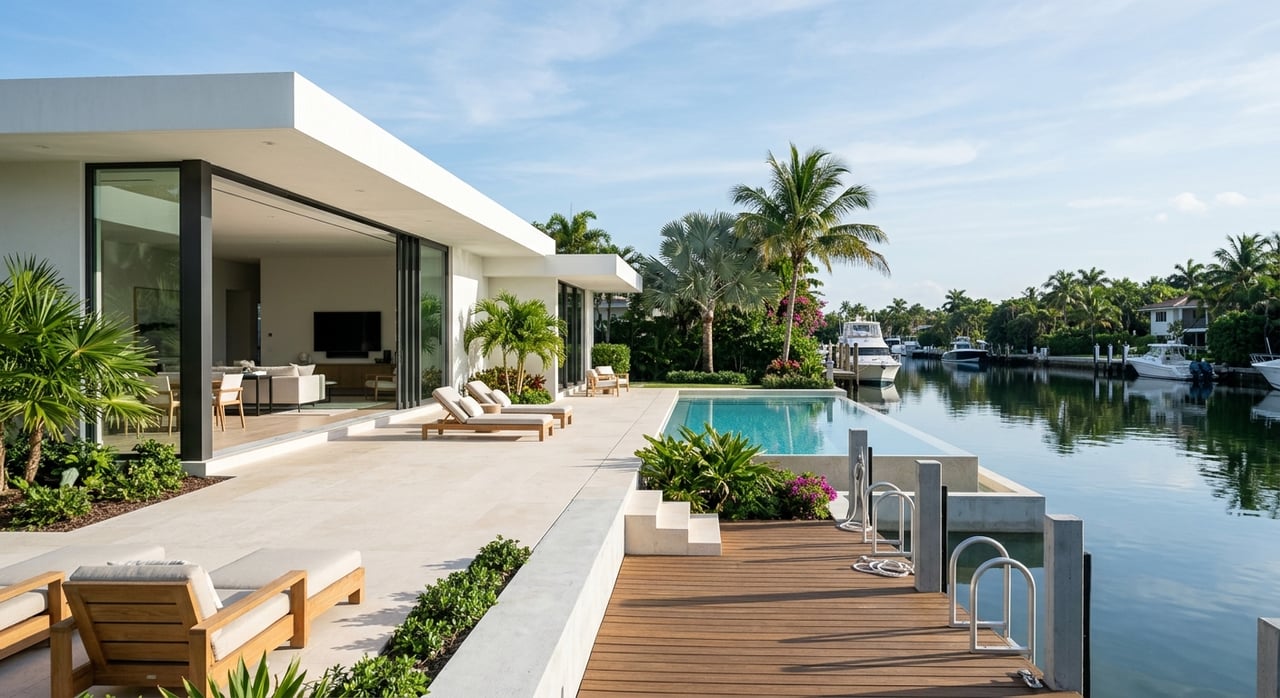
One of the biggest draws of living on the marina is that the water can become part of your normal routine. Instead of treating the shoreline as something you visit once in a while, you may find yourself heading out for a paddle, checking on your boat, or enjoying the view from your lanai as part of everyday life. The appeal is not just visual. It is active and practical.
The marina is set up for sheltered-water use more than high-speed recreation. Posted rules emphasize slow or no-wake travel, especially at night, and prohibit racing. That makes the environment especially suited to kayaks, canoes, paddleboards, and smaller boats that fit the marina’s calm pace.
For many buyers, that slower rhythm is the point. You get a waterfront setting that feels usable and lived-in, rather than dramatic but exposed. If you want a place where the water supports a quieter, more routine lifestyle, Hawaiʻi Kai’s marina can be a strong fit.
Marina access comes with rules
Living on the marina also means living with a shared set of rules that help keep the waterway safe and calm. The Hawaiʻi Kai Marina Community Association manages the marina and sets operating rules for vessel use. That structure matters because this is not a free-for-all boating environment.
For example, boats over 21 feet must stay at slow or no-wake speed. The marina also has bridge clearances of roughly 13 to 19 feet, depending on location, which can affect taller boats or vessels with fixed superstructure. If you are a boater, the property itself is only part of the decision. The marina’s physical limits matter too.
Vessel use is also restricted. According to posted rules, only bona fide Hawaiʻi Kai residents, Koko Marina boat-slip tenants, and approved commercial enterprises may operate vessels in the marina. If you plan to launch from Hancock Landing, both the boat and trailer need a current marina decal.
Property types are not one-size-fits-all
Marina-front real estate in Hawaiʻi Kai is not a single product type. You will find a mix of waterfront residences, condominium properties, and commercial frontage along the marina. That variety is important because ownership structure can affect everything from maintenance duties to improvement approvals.
Some properties are fee simple, while others may fall under a condominium property regime or another association structure with shared common elements. If you are comparing homes, townhome-style properties, or condo-adjacent waterfront residences, it helps to understand that the legal structure may shape your rights and responsibilities.
This is one reason local, property-specific guidance matters in Hawaiʻi Kai. Two homes can both sit on the marina and still have very different ownership details.
Docks, seawalls, and maintenance responsibilities
A marina-front home can come with responsibilities you would not have in a more typical inland neighborhood. The marina association states that marina-side homeowners can install or modify docks only with approval from the marina manager. That means improvements tied to waterfront use may require more planning than you expect.
Seawall maintenance is another major consideration. According to marina guidance, individual single-family owners are responsible for their own seawall frontage, condominium associations handle condo-adjacent seawalls, and shopping centers maintain their own sections. That division can affect budgeting, inspections, and long-term upkeep.
If you are shopping for a marina property, it is smart to look beyond bedrooms, views, and finishes. Ask how the dock, seawall, and waterfront edges are maintained, and who is responsible for what.
Boat slips and navigation details
If direct boating access is high on your wish list, you will want to look closely at slip access and vessel fit. In some cases, boat-slip use involves a separate application process and registration with the marina association for a boat sticker. Recreational marina use is also restricted to Hawaiʻi Kai residents.
The marina’s dimensions can be just as important as the home you buy. Koko Marina slip information notes water depth at slips of about 5 to 6 feet, along with an approximate bridge height of 13 feet at mean tide. Boats with taller masts or deeper fixed keels can face meaningful navigation limits.
That does not make marina living less appealing. It simply means the best fit often comes from matching your lifestyle and vessel type to the marina’s real operating conditions.
Everyday convenience in Hawaiʻi Kai
One reason many people are drawn to Hawaiʻi Kai is that it offers waterfront living without feeling remote. The neighborhood has a strong daily-use infrastructure, with shopping, dining, services, and entertainment clustered in convenient centers. That can make marina living feel more grounded and practical than people expect.
Hawaii Kai Towne Center markets itself as a place for dining, shopping, services, and entertainment, and Koko Marina Center also highlights restaurants, retail, watersports, and waterfront dining. Nearby everyday errands are part of the lifestyle here, not an afterthought.
The area also includes familiar convenience stops. Costco’s Hawaiʻi Kai warehouse is on Keahole Street, and Hawaii Kai Shopping Center lists daily-use tenants including Longs Drugs and Island Brew Coffeehouse. In other words, you can enjoy a waterfront address while still handling regular life without crossing the island for every errand.
What commuting looks like
Even with strong neighborhood convenience, commuting in Hawaiʻi Kai is still largely roadway-based. This is important if you are moving from a denser urban area and expect highly walkable, rail-centered mobility. The tradeoff here is more residential space and marina access, but less of a walk-to-everything setup.
The City’s Hawaiʻi Kai Park & Ride at 240 Keahole Street serves several bus routes, including 1, 1L, 23, 80, 82, and PH6. Those routes provide connections to areas such as Ala Moana, Kalihi, Pearl Harbor, Kalama Valley, and Sea Life Park. That said, most daily movement is still organized around highway access and bus connections rather than dense transit.
For many buyers, that balance works well. You get a self-contained East Oʻahu neighborhood with useful services and some transit support, while still keeping the feel of a residential waterfront community.
Coastal due diligence matters here
Owning on or near the marina comes with extra layers of due diligence. Flood exposure, sea level rise, shoreline rules, and permitting are not side issues in Hawaiʻi Kai. They should be part of your standard review process from the start.
Honolulu’s Department of Planning and Permitting says flood status can be checked by address or TMK through its parcel information tools. The department also notes that certain streamlined permit options are not available for properties in a flood zone or for parcels with specific advisories or violations. That can affect renovation planning and timelines.
The City’s 2025 hazard plan adds another important point. It states that low-lying coastal areas are especially vulnerable to flooding and that future flooding conditions tied to sea level rise are not included in FEMA floodplain mapping. In practical terms, that means official flood maps may not fully reflect longer-term coastal risk.
Sea level rise and long-term planning
Sea level rise is expected to increase coastal flooding impacts, including storm-drain backflow, wave run-up, storm surge, and chronic erosion. If you are buying for the long term, these are not abstract planning concepts. They are real ownership factors that can influence maintenance, insurance conversations, and future improvement decisions.
The city also notes recent shoreline-setback changes and elevated construction standards in special flood hazard areas. If you hope to rebuild, add on, or make major waterfront improvements, you should expect more involved permitting than you would for an inland property.
Tsunami planning is part of coastal life on Oʻahu as well. Official evacuation mapping is one more layer of location-specific due diligence that buyers should review when considering low-lying coastal homes.
How Hawaiʻi Kai compares to other Oʻahu waterfront options
Hawaiʻi Kai marina living occupies a unique place in the Oʻahu market. It is not the same experience as living in urban coastal districts like Kakaʻako or Waikīkī, where housing is more vertical and the setting is more mixed-use and dense. Hawaiʻi Kai feels lower-rise, more residential, and more centered on home life around the water.
It also differs from beach communities such as Kailua or Lanikai. Those areas come with a different kind of shoreline access pattern and, in some places, transportation and parking pressures tied to beach demand. Hawaiʻi Kai avoids much of that beach-parking dynamic, but it replaces it with marina rules, association oversight, and coastal ownership responsibilities.
A simple way to think about it is this: Hawaiʻi Kai sits between the beach town and the urban waterfront tower. You get meaningful water access, strong neighborhood convenience, and a residential daily rhythm, all in one place.
Who marina living may suit best
Marina living in Hawaiʻi Kai can be especially appealing if you want:
- Protected water rather than open-ocean exposure
- Easy access to paddling, boating, or dockside living
- A waterfront home within a service-rich East Oʻahu neighborhood
- A lower-rise residential setting instead of a dense urban core
- A lifestyle where the water is part of your routine, not just your view
It may require a more detail-oriented buying process, especially around seawalls, docks, slips, flood review, and permitting. But for the right buyer, that extra diligence can lead to a very rewarding fit.
If you are exploring marina homes in Hawaiʻi Kai, the best next step is to look at both the lifestyle and the property mechanics side by side. That is where experienced local guidance can make a real difference. When you are ready to talk through the nuances of waterfront ownership in East Oʻahu, connect with Alesia Barnes.
FAQs
What is marina living in Hawaiʻi Kai like day to day?
- Marina living in Hawaiʻi Kai is centered on a protected inland waterway, with a lifestyle that often includes paddling, boating, dock use, and waterfront views as part of your regular routine.
What kinds of properties are on the Hawaiʻi Kai marina?
- The marina includes a mix of waterfront residences, condominium-related properties, and commercial frontage, so ownership structure and maintenance duties can vary by property.
What boating limits should buyers know about in Hawaiʻi Kai?
- Buyers should know that marina rules require slow or no-wake use, certain vessel users must qualify under marina rules, and bridge clearances and water depth can limit some boats.
What maintenance responsibilities come with Hawaiʻi Kai marina homes?
- Depending on the property type, responsibilities may include seawall upkeep, dock approvals, and other waterfront maintenance obligations that go beyond a standard inland home.
What should buyers check before purchasing a marina property in Hawaiʻi Kai?
- Buyers should review flood status, sea level rise exposure, permitting limits, shoreline-related rules, and any property-specific details related to docks, slips, seawalls, and association oversight.
Is Hawaiʻi Kai marina living convenient for errands and commuting?
- Yes, Hawaiʻi Kai has strong shopping and service convenience, but commuting is still mostly roadway-based, with bus service available through the Hawaiʻi Kai Park & Ride and surrounding routes.