Trying to choose between Kaneohe and Kailua? On paper, they sit close together on Windward Oahu, but they live very differently day to day. If you are deciding where to plant roots, the real question is not which one is better, but which one fits your budget, routine, and lifestyle goals. Here’s how Kaneohe and Kailua compare so you can make a confident move.
Kaneohe vs. Kailua at a Glance
If you want the quick version, Kaneohe is usually the more practical home base, while Kailua is typically the more beach-centered choice. Kaneohe tends to offer lower housing values, a slightly easier commute, and a more bay-focused setting. Kailua tends to command a higher price point, with stronger beach-town appeal and more shoreline access pressure.
For many buyers, that trade-off is the heart of the decision. You are often choosing between everyday convenience and a premium beach-oriented lifestyle.
Scenery and Setting
Kaneohe feels bay-and-mountain oriented
Kaneohe sits between the Koʻolau range and Kaneohe Bay, giving it a distinct visual identity. State materials describe the broader Windward Coast as lush, wetter, greener, and full of valleys, and Kaneohe Bay itself as a sheltered, reef-protected bay.
That means Kaneohe often feels scenic in a layered way. You get dramatic mountain backdrops, a green landscape, and strong ties to bay recreation rather than a classic beach-town feel.
Kailua feels more oceanfront
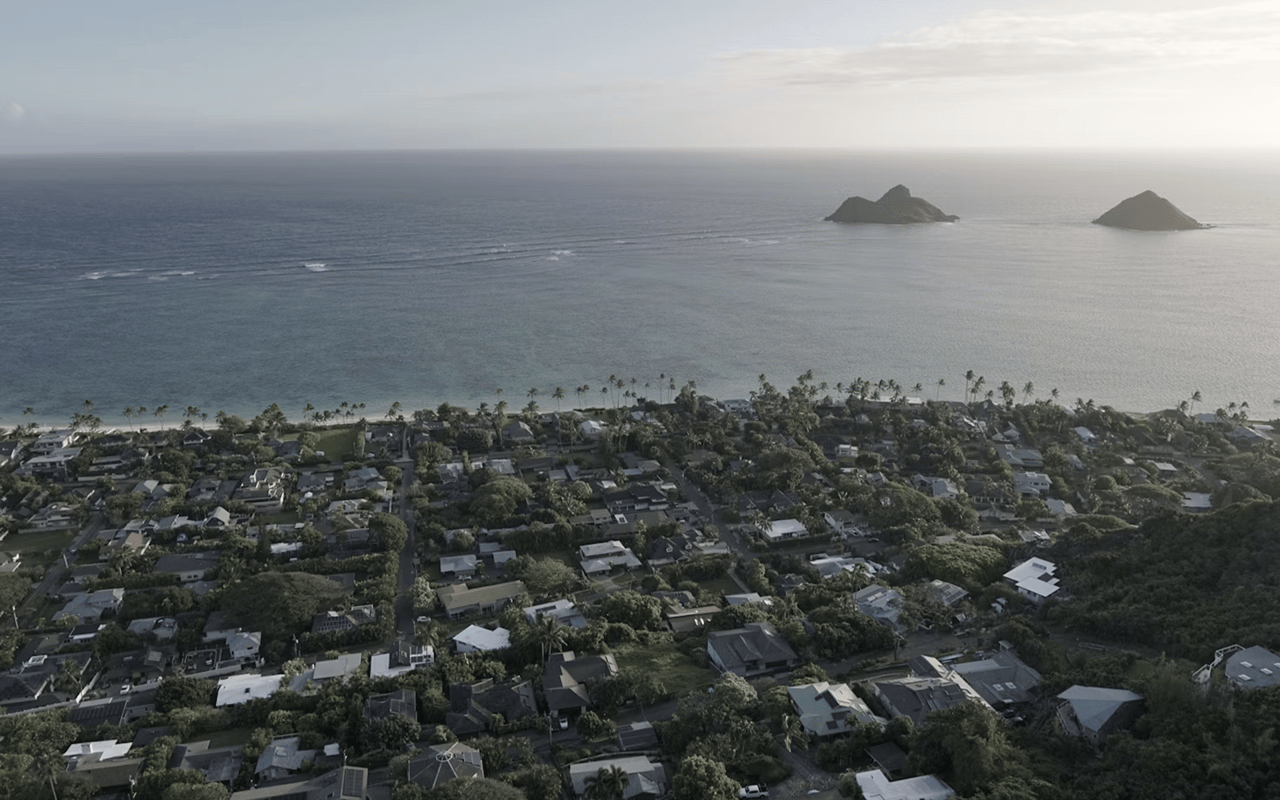
Kailua is also green and unmistakably Windward, but its identity leans more toward the open shoreline. Kailua Beach Park and the Lanikai-Kaʻōhao shoreline are major visitor draws, and the Mokulua Islands help shape the area’s visual appeal.
In practical terms, Kailua usually feels more beach-forward. If your idea of home includes strong proximity to shoreline access and a classic coastal atmosphere, that difference stands out quickly.
Housing Stock and Budget
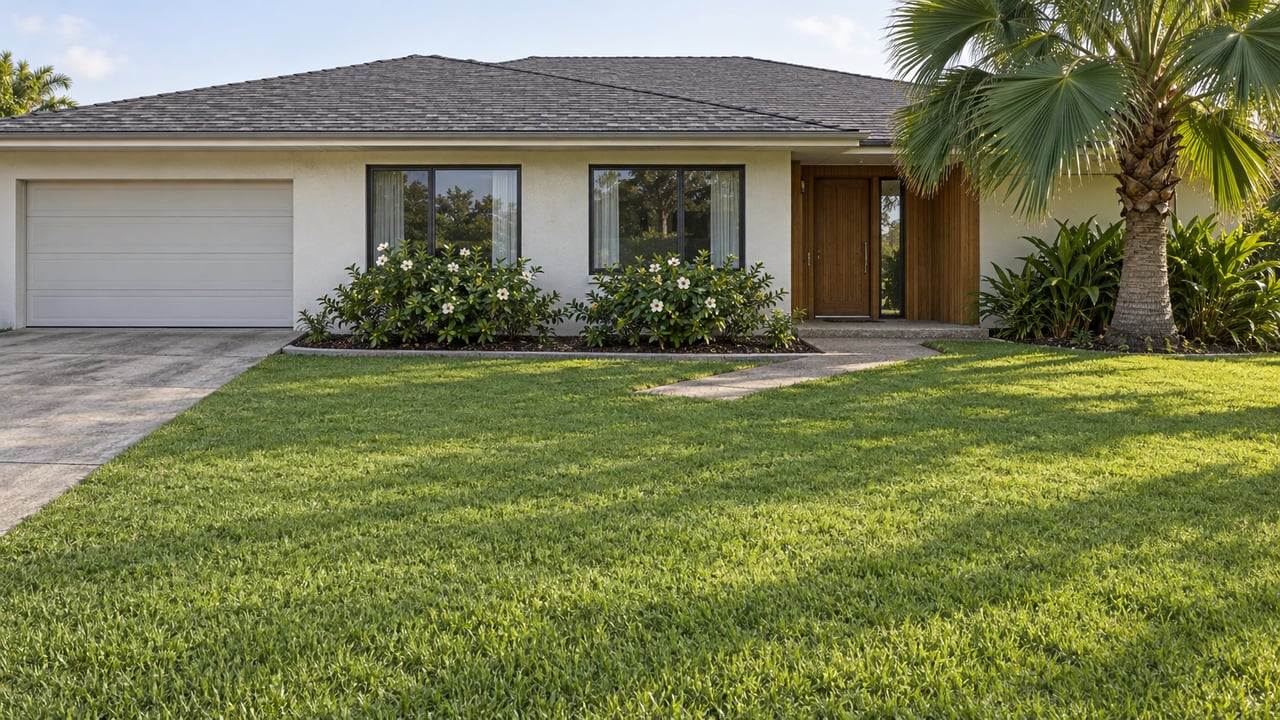
Kaneohe is generally more affordable
For many buyers, price is the first major separator. Census data reports a median owner-occupied housing value of $1,029,700 in Kaneohe and $1,353,700 in Kailua.
That puts Kailua about $324,000 higher, or roughly 31.5% more. If you are trying to balance Windward living with budget discipline, Kaneohe often gives you more breathing room.
Kailua carries a stronger premium
Kailua’s higher housing values align with a higher reported median household income. Census figures show median household income at $148,582 in Kailua versus $125,613 in Kaneohe.
That does not make one market better than the other. It simply helps explain why Kailua’s pricing premium tends to hold more naturally in that area.
Both have strong single-unit housing
Both communities are still dominated by single-unit housing, but Kailua leans more heavily in that direction. ACS-based Census Reporter profiles show single-unit structures at about 83% in Kailua compared with about 76% in Kaneohe.
Kaneohe also shows a slightly larger average household size, 3.07 versus 2.90 in Kailua. That suggests a somewhat more spacious suburban housing mix, though it is best viewed as a data-based pattern rather than a strict label.
Commute and Access
Kaneohe has a slight commute edge
If you commute regularly toward Honolulu, Kaneohe has a modest advantage. Census QuickFacts reports mean travel time to work at 27.6 minutes in Kaneohe and 29.1 minutes in Kailua.
A 1.5-minute difference may not sound dramatic, but over time it supports what many buyers already sense. Kaneohe often works better as a practical daily base when in-town access matters.
Route options differ between the two
Highway connections are part of the story. Hawaii transportation sources identify Pali Highway and Likelike Highway as key Windward connections, while Kailua Road and Kaneohe Bay Drive or Mokapu Boulevard serve their own route roles on the Windward side.
Kaneohe also benefits from major corridors like Kamehameha Highway, Likelike Highway, and H-3, with bus routes concentrated on those major corridors and many routes traveling to Honolulu from Kaneohe. In simple terms, Kaneohe tends to offer a more layered route menu, while Kailua depends more heavily on the Pali and Kailua Road pattern.
Day-to-Day Lifestyle
Kaneohe feels more utilitarian
Kaneohe’s town center functions more like an everyday residential hub. The town plan points to a working transit center, major parking areas, and bus routes moving through or ending in the area.
That creates a more practical rhythm for errands, commuting, and daily routines. Kaneohe also has a strong water recreation identity through Kaneohe Bay and the sandbar, but it still reads more as a livable base than a visitor-centered shoreline destination.
Kailua feels more shoreline-centered
Kailua’s day-to-day experience is shaped more directly by beach access. Planning documents note that Kailua Beach Park and the Lanikai-Kaʻōhao shoreline are major attractions, and they also point out that Lanikai Beach has no public parking lots.
That matters if you are buying near the shoreline or hoping for easy spontaneous beach access. Kailua offers a stronger beach-town identity, but some areas also come with more parking controls, managed access patterns, and visitor-related friction.
Which Windward Oahu Base Fits You?
Choose Kaneohe if practicality leads
Kaneohe is often the better fit if your priorities include:
- Lower housing values compared with Kailua
- A slightly easier average commute
- Access to multiple major corridors
- A bay-centered setting with mountain views
- A more everyday residential rhythm
If you want Windward beauty with a more grounded, functional base, Kaneohe often checks those boxes.
Choose Kailua if beach lifestyle leads
Kailua is often the better match if your priorities include:
- A stronger beach-town identity
- Closer connection to major shoreline destinations
- A housing search centered on premium coastal lifestyle
- Comfort with a higher price point
- Willingness to navigate more shoreline access pressure
If the beach experience is central to how you want to live, Kailua usually makes that value proposition more clearly.
A Simple Way to Decide
If you are torn between the two, try framing your choice around three questions:
- How far do you want your budget to stretch? Kaneohe usually offers more value based on current median housing figures.
- What setting feels more like home? Kaneohe is more bay-and-mountain focused, while Kailua is more oceanfront in character.
- How important is commute flexibility? Kaneohe holds a small edge in average commute time and route variety.
Those answers usually point buyers in the right direction faster than comparing distance alone.
Final Thoughts
Kaneohe and Kailua are both appealing Windward Oahu markets, but they serve different lifestyles. Kaneohe tends to win on practicality, commute ease, and relative value. Kailua tends to win on beach identity, shoreline atmosphere, and premium coastal appeal.
The best choice is the one that fits how you want to live every day, not just how a map makes the two look. If you want local guidance comparing Kaneohe, Kailua, or other Oahu micro-markets, Alesia Barnes can help you narrow the options with a clear, personalized strategy.
FAQs
Is Kaneohe or Kailua more affordable for homebuyers?
- Kaneohe is generally more affordable, with a reported median owner-occupied housing value of $1,029,700 compared with $1,353,700 in Kailua.
Does Kailua or Kaneohe feel more beach-oriented?
- Kailua feels more beach-oriented because Kailua Beach Park and the Lanikai-Kaʻōhao shoreline are major shoreline destinations.
Is Kaneohe or Kailua better for commuting to Honolulu?
- Kaneohe has a slight edge based on reported mean travel time to work and access to multiple major cross-mountain corridors.
Does Kaneohe have water recreation even if it is not as beach-centered?
- Yes. Kaneohe has a strong water recreation identity tied to Kaneohe Bay and the sandbar, even though its overall feel is more bay-centered than beach-centered.
Is Kailua a larger housing market than Kaneohe?
- Yes. Census figures show Kailua with more residents, households, and housing units than Kaneohe, making it the slightly larger housing market by stock and population.