Dreaming about waking up near legendary surf and ending your day in a quieter, more rural part of Oahu? Owning a home on Oahu’s North Shore can feel like a completely different lifestyle from Honolulu or other coastal parts of the island. If you are considering a move, a second home, or a long-term investment here, it helps to know what daily life, property expectations, and ownership realities actually look like. Let’s dive in.
North Shore living feels distinct
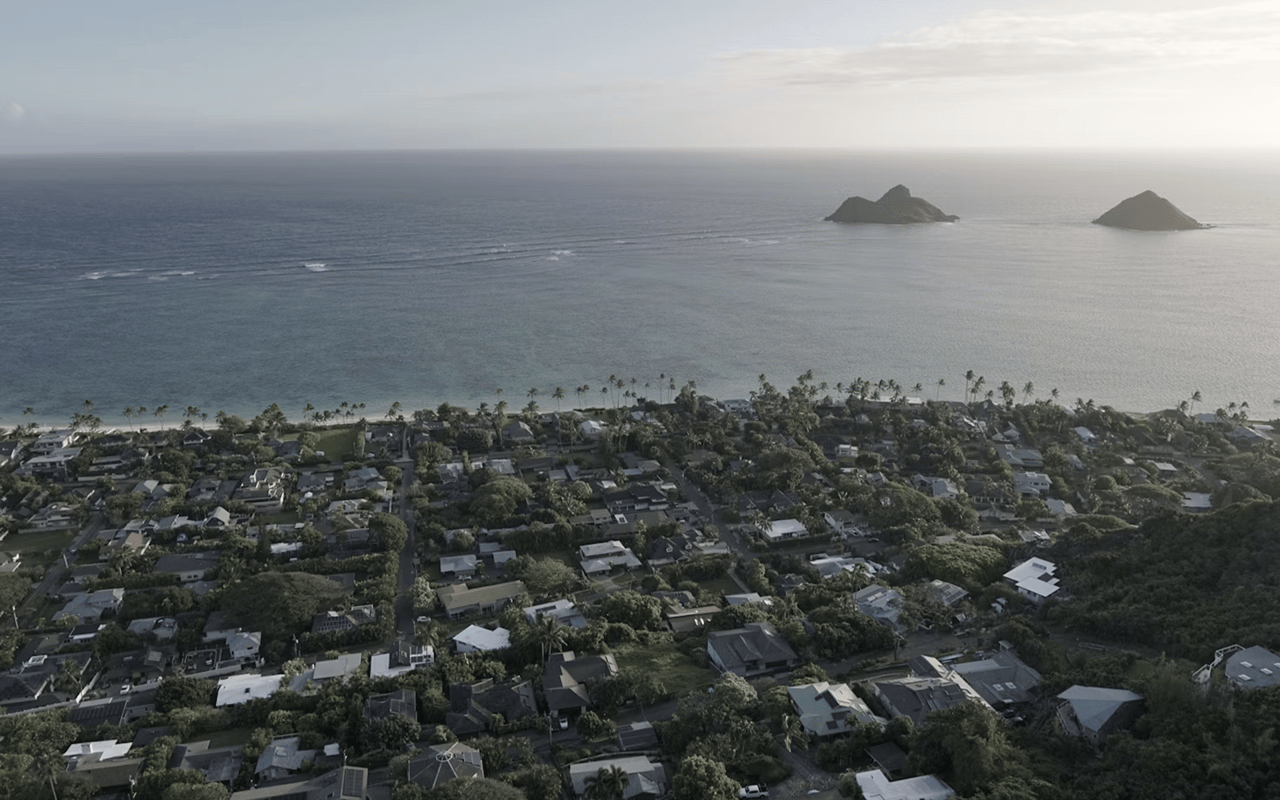
The North Shore is often described as a seven-mile stretch known for surf, beaches, and a more laid-back pace. But for homeowners, the bigger story is that this is both a destination and a real residential community. According to the Hawaii Department of Business, Economic Development & Tourism, the North Shore profile area has 29,027 residents and a daytime population of 35,809.
That mix shapes how the area feels from day to day. Some moments feel deeply local and quiet, while others feel busier and more visitor-driven. DBEDT reports that about one in three people in the area on a typical day is a visitor, which helps explain that changing rhythm.
You also feel the North Shore’s rural and small-town character in everyday life. The area is associated with historic Haleiwa, working farms, small local businesses, food trucks, ranch land, and beach access rather than large commercial corridors. DBEDT notes that 76.6% of local business establishments employ fewer than 10 people, which reinforces that smaller-scale, community-based feel.
Seasons shape the lifestyle
If you own on the North Shore, the seasons are not just background scenery. They change how the coastline feels, how the roads feel, and how you use the beaches near home. This is one of the biggest differences between living here and owning in a more predictable suburban setting.
According to GoHawaii, winter brings the North Shore’s biggest surf, especially from November through February. This is when world-class competitions take place and when ocean conditions can become dangerous even for experienced surfers. During those months, the shoreline carries much more energy, and the area can feel more active and internationally visible.
In summer, the water is generally calmer. GoHawaii notes that this season is more favorable for swimming and snorkeling, and the overall mood tends to feel more relaxed. For homeowners, that means your experience of the same beach access can shift a lot depending on the time of year.
The housing stock is less suburban
Owning on the North Shore often means buying into a lower-density housing pattern. This is not an area defined by large master-planned neighborhoods or a heavy concentration of condos. Instead, the housing mix tends to feel more parcel-driven, with detached homes, older character homes, some town-centered residences, and properties that may also serve as second homes or vacation-use homes.
The Waialua Town Master Plan supports that picture. It emphasizes rural community character, agriculture, and preservation boundaries, while noting that additional new housing should stay limited to areas contiguous to Haleiwa and Waialua towns. It also points to plantation history as part of the built character in Waialua.
That matters if you are hoping for a polished, highly uniform neighborhood setting. On the North Shore, ownership is often tied more closely to land, location, and the property’s individual condition than to a conventional subdivision feel. Many buyers see that as part of the appeal.
Pricing is high, but the market is mixed
North Shore real estate is firmly in a high-value market, yet it still spans a range of property types and buyer goals. DBEDT reports that 42.8% of North Shore homes were valued at $1 million or more. The same report shows a median home value of $936,900.
For closed sales in 2023, the median single-family sales price was $1.2 million, while the median condominium sales price was $795,000. Those numbers help frame the market for buyers who want North Shore access but may be comparing detached homes to more compact ownership options.
Ownership patterns also look different here than in many other Oahu areas. The North Shore homeownership rate is 47.0%, compared with 58.9% for Honolulu County and 61.8% statewide. DBEDT also reports a 20.4% vacancy rate, noting that vacant units can include second homes, vacation homes, and short-term rental units.
North Shore buyers are often local
Even with strong outside interest, the North Shore is not just a market driven by off-island demand. DBEDT found that 76.2% of North Shore home sales in 2023 went to local buyers, while 23.8% went to mainland buyers. That is an important detail because it shows a strong resident base within a market that still attracts broad attention.
If you are considering a purchase here, that local participation can shape competition and expectations. Buyers who understand island micro-markets, seasonal shifts, and coastal property nuance may move with a different kind of confidence. In a place like the North Shore, that local context matters.
Ownership comes with more maintenance
One of the biggest realities of North Shore homeownership is maintenance. Living near the ocean means salt and moisture are part of the environment every day. Over time, those conditions can wear on building materials much faster than many mainland buyers expect.
A Department of Defense guide on marine environments says salt is pervasive and corrosion is a leading driver of maintenance and lifecycle costs. NOAA also notes that salt spray frequently corrodes building materials in coastal environments and that moisture can decay pilings. In practical terms, that means exterior upkeep usually requires more attention.
If you are evaluating a property, pay close attention to the parts of the home that take the most exposure. Roof edges, flashing, fasteners, decks, railings, drainage, and exterior materials all deserve a close look. For many coastal owners, proactive maintenance is simply part of protecting the property over time.
Coastal risk is part of the equation
For ocean-adjacent homes, erosion risk is one of the most serious ownership considerations on the North Shore. Hawaii’s climate portal says nearshore environments across the state are at risk of erosion and that 70% of beaches and 4,000 structures statewide are threatened. It also notes that a North Shore home collapsed onto the beach in 2022.
That risk is not just a long-term abstract concern. In September 2024, the Hawaii Department of Land and Natural Resources and the City and County of Honolulu warned homeowners along Ke Nui Road about property, health, and safety risks related to erosion. Their release said one home had partially collapsed onto the beach and was being demolished, while another was scheduled for demolition.
For buyers, this means due diligence needs to go further than a standard home search. You will want to review flood maps, ask about erosion history, understand shoreline setbacks where relevant, and study how the lot interacts with the coast. Those steps can help you make a more informed decision before you commit.
Insurance and flood costs may differ
Another part of North Shore ownership is understanding how coastal exposure can affect insurance. FEMA states that coastal communities face risks from storm surge, waves, and erosion. FEMA also notes that flood insurance is separate from a standard homeowners insurance policy.
That does not mean every property carries the same exposure or cost profile. It does mean buyers should ask early questions about flood zones, building requirements, and insurance expectations. On the North Shore, those details can meaningfully affect your monthly and long-term cost of ownership.
North Shore versus Honolulu and Kailua
If you are deciding between Oahu submarkets, it helps to think in terms of lifestyle as much as price. Urban Honolulu is denser and more urban in character. Census QuickFacts shows a 2020 population of 350,964 and a population density of 5,796.8 people per square mile.
Kailua offers a different model. Census QuickFacts reports a 2020 population of 40,514, an owner-occupied housing rate of 72.3%, and a median owner-occupied housing value of $1,353,700. That points to a more established residential ownership profile.
The North Shore sits somewhere else entirely. With 29,027 residents, a 47.0% homeownership rate, a 20.4% vacancy rate, and a typical-day visitor share of about one-third, it carries a more seasonal, destination-meets-community rhythm. If Honolulu feels urban and Kailua feels more traditionally residential, the North Shore feels more surf-town, rural, and coastal in a very specific way.
What many buyers love most
For the right buyer, North Shore ownership offers a lifestyle that is hard to duplicate elsewhere on Oahu. You get proximity to beaches, a small-town network of businesses, a strong sense of place, and a setting shaped by surf, agriculture, and open space. Many people are drawn to the idea that life here feels less programmed and less suburban.
At the same time, this is not a casual purchase. The same features that make the North Shore special also create more complexity around maintenance, seasonality, and coastal due diligence. Buying well here means understanding both sides of that equation.
If you are thinking about owning on Oahu’s North Shore, the best next step is to work with someone who understands how island micro-markets, coastal property concerns, and lifestyle goals all come together. For personalized guidance on buying or selling on Oahu, connect with Alesia Barnes.
FAQs
What is daily life like for North Shore Oahu homeowners?
- Daily life on the North Shore often feels more rural, seasonal, and small-town than other parts of Oahu, with a mix of residential community, beach activity, local businesses, farms, and visitor traffic.
How expensive is it to buy a home on Oahu’s North Shore?
- DBEDT reports a median home value of $936,900, a 2023 median single-family sales price of $1.2 million, and a 2023 median condominium sales price of $795,000.
What types of homes are common on Oahu’s North Shore?
- The area is generally characterized by lower-density housing, including detached homes, older plantation-era character, some town-area residences, and a mix that includes second-home or vacation-use properties.
What maintenance issues should North Shore Oahu buyers expect?
- Buyers should expect more exterior wear from salt air and moisture, with careful attention needed for corrosion, drainage, roofing details, decks, railings, flashing, and exterior materials.
Are coastal erosion risks important for North Shore Oahu homes?
- Yes, erosion is a major factor for some ocean-adjacent properties, and buyers should review flood maps, ask about shoreline history, and understand any relevant setback or coastal exposure issues before purchasing.
How is the North Shore different from Honolulu and Kailua?
- The North Shore is less urban than Honolulu and less purely owner-occupied than Kailua, with a stronger seasonal rhythm and a lifestyle shaped by surf, rural land use, and destination-driven activity.