If you have ever wondered where Honolulu feels both connected and tucked away, Diamond Head’s Gold Coast is one of the clearest answers. This shoreline stretch offers a rare mix of ocean access, walkability, and a more intimate coastal setting at the edge of Waikīkī. If you are thinking about buying, selling, or simply learning what makes this area so distinct, this guide will help you understand the lifestyle, the homes, and the local character that shape it. Let’s dive in.
What the Gold Coast Really Is
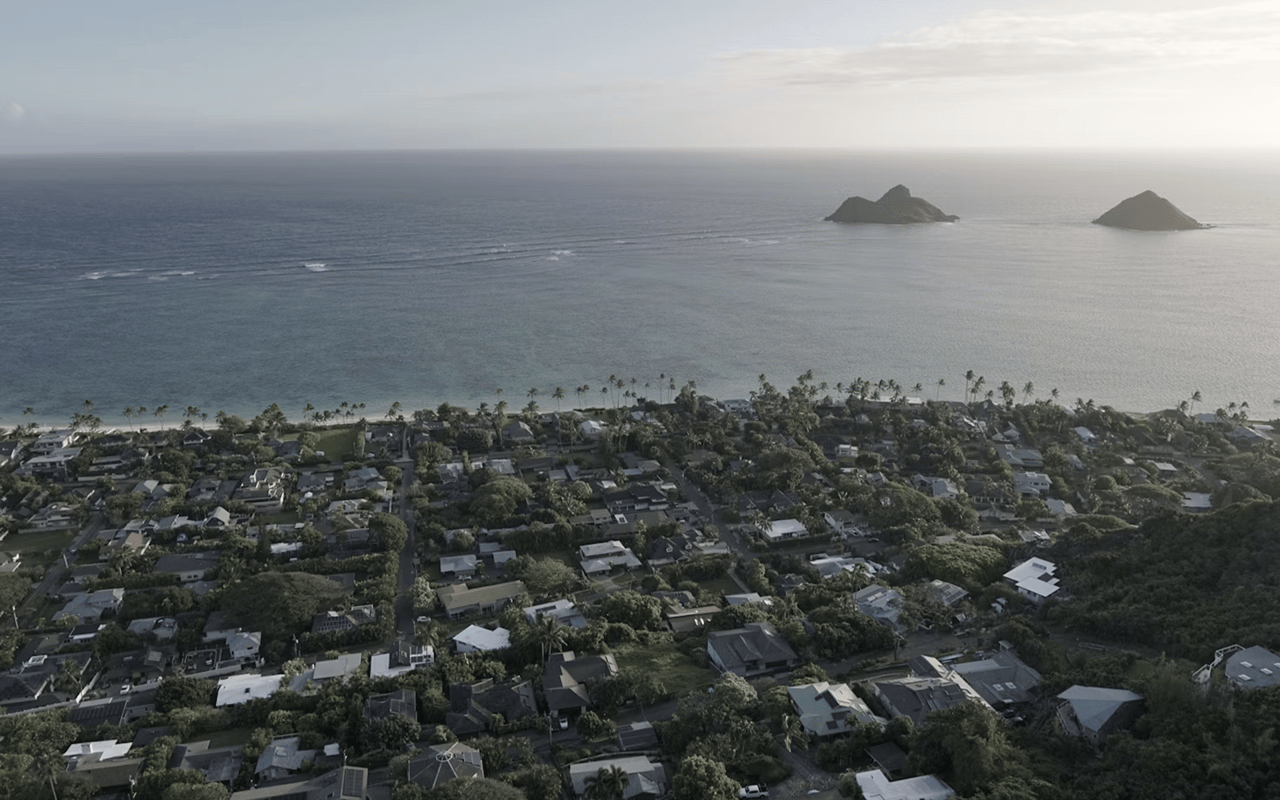
Diamond Head’s Gold Coast is the oceanfront corridor along the Diamond Head end of Waikīkī. While the name sounds glamorous, the area’s identity is tied just as much to geography and regulation as it is to prestige.
Historically, the shoreline was known as Kapua before the “Gold Coast” label became popular through real estate branding. Today, the area sits within the broader Diamond Head setting, where special district rules were created to help preserve public views of Diamond Head and the park-like character around Kapiolani Park.
That matters in everyday life. The neighborhood does not feel dominated by dense high-rise energy in the same way some other Honolulu districts do. Instead, it feels visually open, coastal, and closely tied to the natural setting around it.
Why the Setting Feels Different
One of the biggest reasons the Gold Coast stands out is location. You are at the edge of Waikīkī, next to Diamond Head, with Kapiolani Park as a major open-space anchor.
Diamond Head itself is one of Hawaiʻi’s most recognized landmarks. The state park notes that the monument spans more than 475 acres near the eastern edge of Waikīkī, and visitor access is managed with advance reservations for nonresident entry and parking, which helps keep the area from feeling completely overrun.
For residents, that creates an interesting balance. You are near one of Oahu’s most visited places, but the experience around the neighborhood often feels more controlled and low-key than people expect.
Daily Life Centers on the Outdoors
Life on the Gold Coast is closely connected to the shoreline and nearby green space. Kapiolani Park is a huge part of that rhythm.
A city environmental review describes Kapiolani Park as a 300-acre public park created in 1876, and identifies it as the largest and oldest public park in Hawaiʻi. It also serves as a recreation hub, with features that include the Waikīkī Shell, bandstand, tennis courts, soccer fields, archery facilities, and the Honolulu Cricket Club.
The Honolulu Zoo also sits nearby between Diamond Head and Waikīkī at the corner of Kapahulu Avenue and Kalākaua Avenue. Together, the park and zoo create a strong public-space network that gives the neighborhood an unusually open feel for such a prized coastal location.
Walkability Is a Big Part of the Appeal
The Gold Coast lifestyle is not just about views from home. It is also about how easily you can move through the area on foot.
A Hawaiʻi Supreme Court opinion described the Gold Coast seawall as having been used for decades as a public walkway and thoroughfare for reaching the beach, shoreline, ocean, and offshore surf spots. Hawaiʻi State Parks also notes that Diamond Head Beach Park is within walking distance from the end of Waikīkī, with paved pathways leading down to the coast.
That makes daily routines feel simple and scenic. Depending on where you live, your day can include a shoreline walk, beach run, surf check, park visit, or quiet time by the water without a long drive across town.
A Quieter Edge of Waikīkī
One of the strongest lifestyle draws here is the contrast between access and atmosphere. You are close to urban Honolulu amenities, but the Gold Coast tends to appeal to people who want a quieter edge-of-Waikīkī experience.
State Parks describes Diamond Head Beach Park as a place for beach runs, beachcombing, surfing, snorkeling, and quieter beach time away from heavier crowds. That helps explain why the area often attracts buyers who care more about shoreline access, views, and privacy than about being in the middle of a busier resort core.
This is part of what makes the Gold Coast feel so specific. It offers coastal living that feels established and personal rather than flashy or overly built-up.
Homes Reflect a Long Neighborhood Story
The housing stock on the Gold Coast is one of its most interesting features. This is not a one-note neighborhood with one dominant housing type.
Local history describes the area as a patchwork of older homes and larger apartment buildings lining the coast. The neighborhood evolved over time, with early residential development near the lower slopes of Diamond Head and later apartment buildings added along the shoreline, especially as the Gold Coast identity gained traction in the late 1950s and 1960s.
For buyers and sellers, that means the neighborhood story is layered. You are not comparing identical product from block to block. You are often comparing architecture, orientation, building era, and proximity to shoreline access or park frontage.
Historic Homes and Duplexes
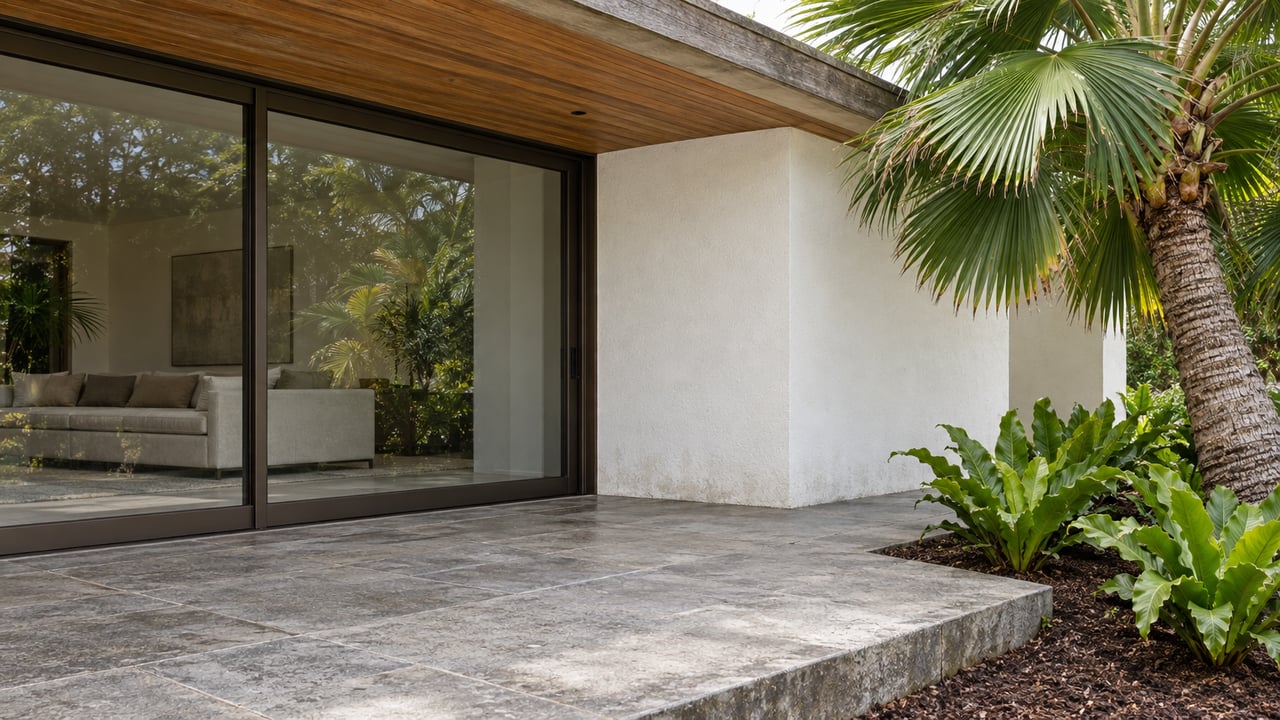
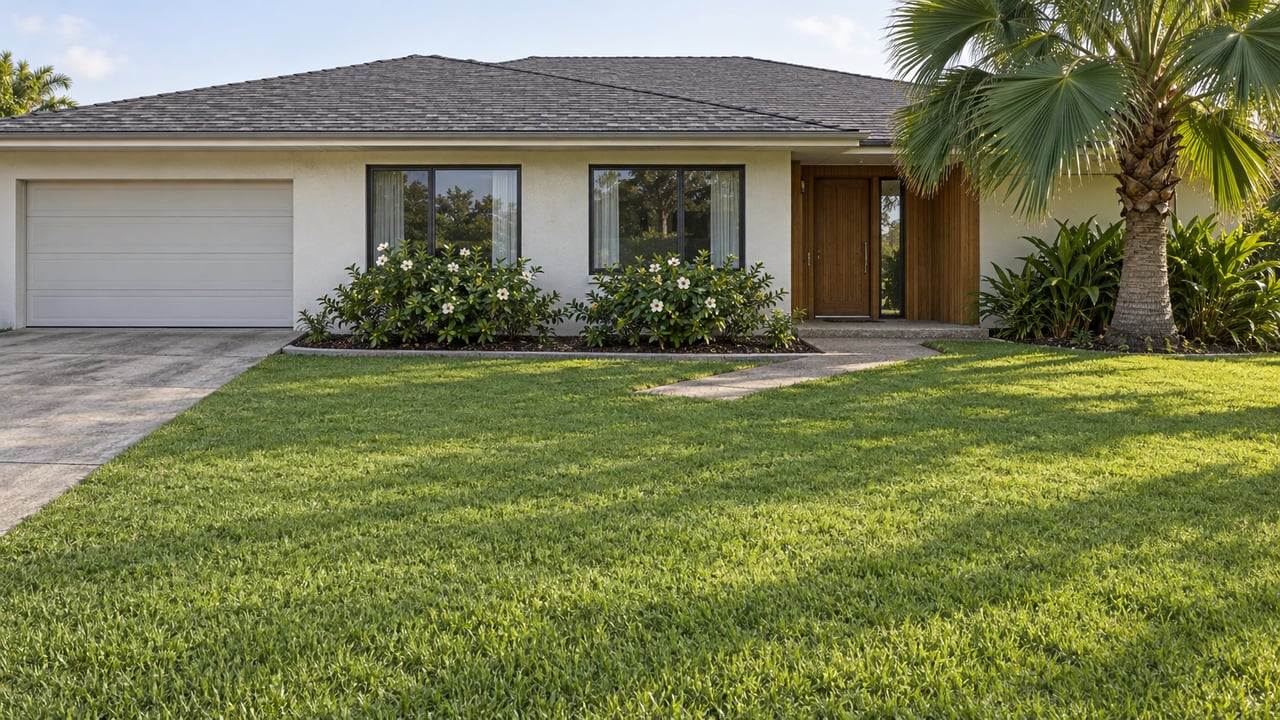
Some of the older residential fabric includes historic single-family homes and duplexes in the Diamond Head Terrace area. The historic record identifies prewar examples in styles such as Craftsman, Spanish Colonial or Mission Revival, Monterey, Mediterranean Revival, Tudor or French Norman, Colonial Revival, Hawaiian-style, and Cotswold Cottage.
That architectural variety gives the area a sense of legacy and individuality. For some buyers, that is a major part of the attraction because the homes can feel deeply rooted in Honolulu’s residential history.
Low-Rise and Mid-Rise Buildings
The Gold Coast also includes low-rise and mid-rise apartment buildings that reflect its mid-century and later condo evolution. These buildings helped shape the neighborhood’s shoreline identity without turning it into a modern super-tower district.
For many buyers, that scale is a benefit. It can feel more intimate and less vertical than newer condo-heavy parts of Honolulu.
Oceanfront Condo Living
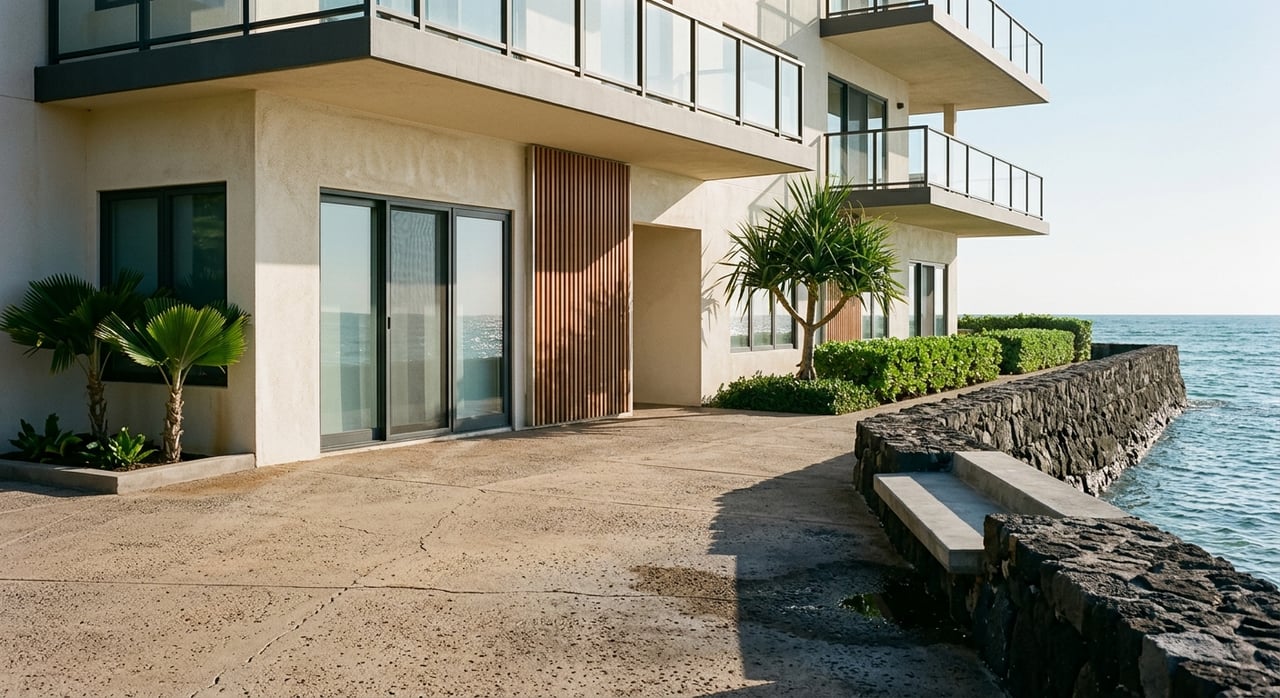
Oceanfront condominium buildings are another key part of the Gold Coast lifestyle. Historic references tied to the area’s branding era include buildings such as Kainalu, Diamond Head Apartments, Sea Breeze, and San Souci.
The value here is often about location and setting more than brand-new construction. Buyers are typically drawn to legacy oceanfront placement, proximity to Kapiolani Park, and the neighborhood’s quieter shoreline character.
What Buyers Often Value Most
The Gold Coast usually fits buyers who prioritize place over square footage. The setting tends to appeal to people who want a rare shoreline address, easy walkability, and a more relaxed edge-of-city feel.
Based on the neighborhood’s building stock, public promenade, protected view corridors, and access to parkland and the ocean, this area is a natural fit for luxury buyers, second-home seekers, and downsizers who want immediate connection to both nature and Honolulu conveniences.
If you are comparing neighborhoods, this is an important distinction. The Gold Coast value proposition is less about new tower amenities and more about legacy location, scenery, and a sense of privacy.
What Sellers Should Understand
If you own property on the Gold Coast, your home is part of a very specific market story. Buyers are not only evaluating the residence itself. They are also buying into the area’s shoreline identity, walkability, and long-established coastal character.
The Diamond Head Special District plays a real role in that story. Because the district was created to preserve views and park-like surroundings, exterior changes and redevelopment are not treated like routine infill decisions elsewhere.
That backdrop can be meaningful in how buyers view long-term neighborhood character. It reinforces the idea that this is a place where setting and visual quality are central to value.
Why Local Guidance Matters Here
The Gold Coast may look simple from the outside, but it is a nuanced micro-market. Building age, shoreline placement, architectural character, and the surrounding regulatory context can all shape how a property is perceived.
That is why local, detail-oriented guidance matters. Whether you are searching for the right oceanfront condo, evaluating a legacy home, or preparing a property for market, a neighborhood like this benefits from a careful, highly informed approach.
With concierge-level support, strong knowledge of Honolulu coastal neighborhoods, and experience serving both buyers and sellers across Oahu, Alesia Barnes can help you navigate Diamond Head’s Gold Coast with clarity and confidence.
FAQs
What is the Gold Coast area in Diamond Head, Honolulu?
- The Gold Coast is the oceanfront corridor along the Diamond Head end of Waikīkī, known for shoreline access, proximity to Kapiolani Park, and a quieter coastal setting.
What is daily life like on Diamond Head’s Gold Coast?
- Daily life often centers on walking, park time, ocean access, and nearby recreation, with easy access to places like Kapiolani Park, the shoreline, and the Diamond Head area.
What types of homes are found on the Gold Coast in Honolulu?
- The area includes historic single-family homes, duplexes, low-rise and mid-rise apartment buildings, and oceanfront condominium buildings.
Why do buyers choose Diamond Head’s Gold Coast?
- Buyers are often drawn to the rare shoreline location, walkability, protected views, quieter edge-of-Waikīkī setting, and the neighborhood’s long-established character.
What should sellers know about the Gold Coast market in Honolulu?
- Sellers should understand that buyers often value the area’s scenery, architecture, coastal identity, and the Diamond Head Special District’s role in preserving views and neighborhood character.