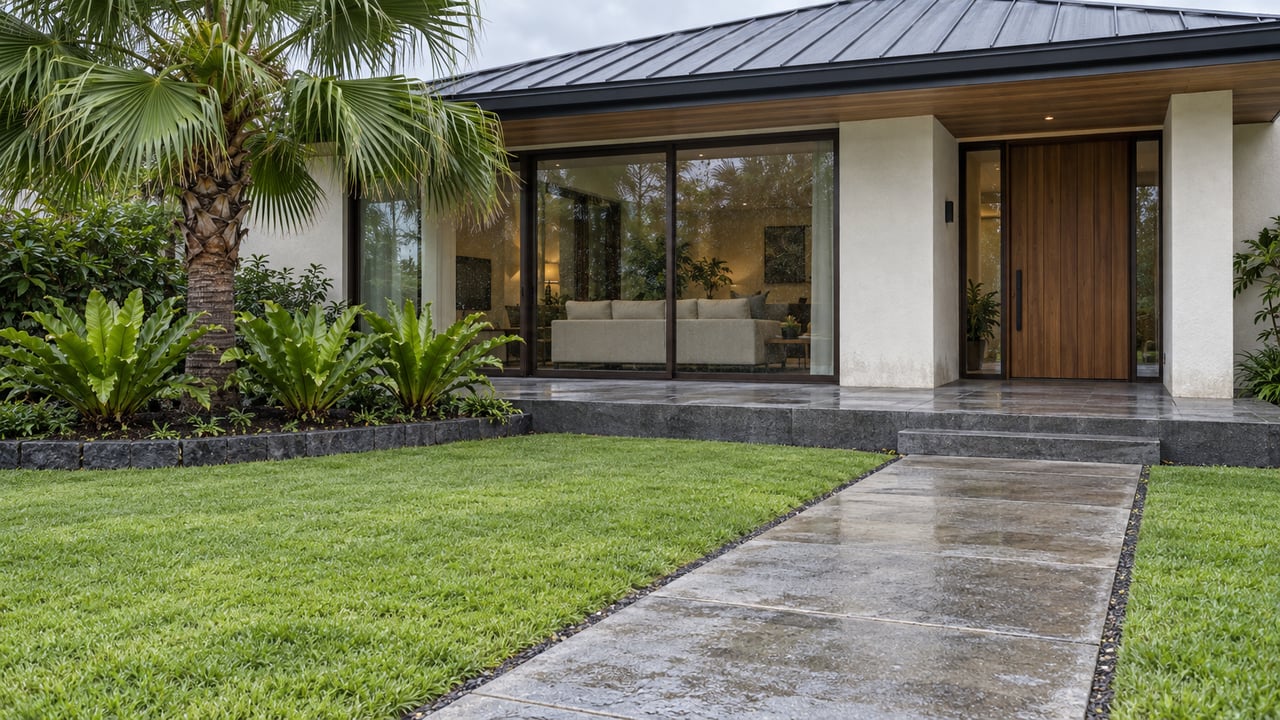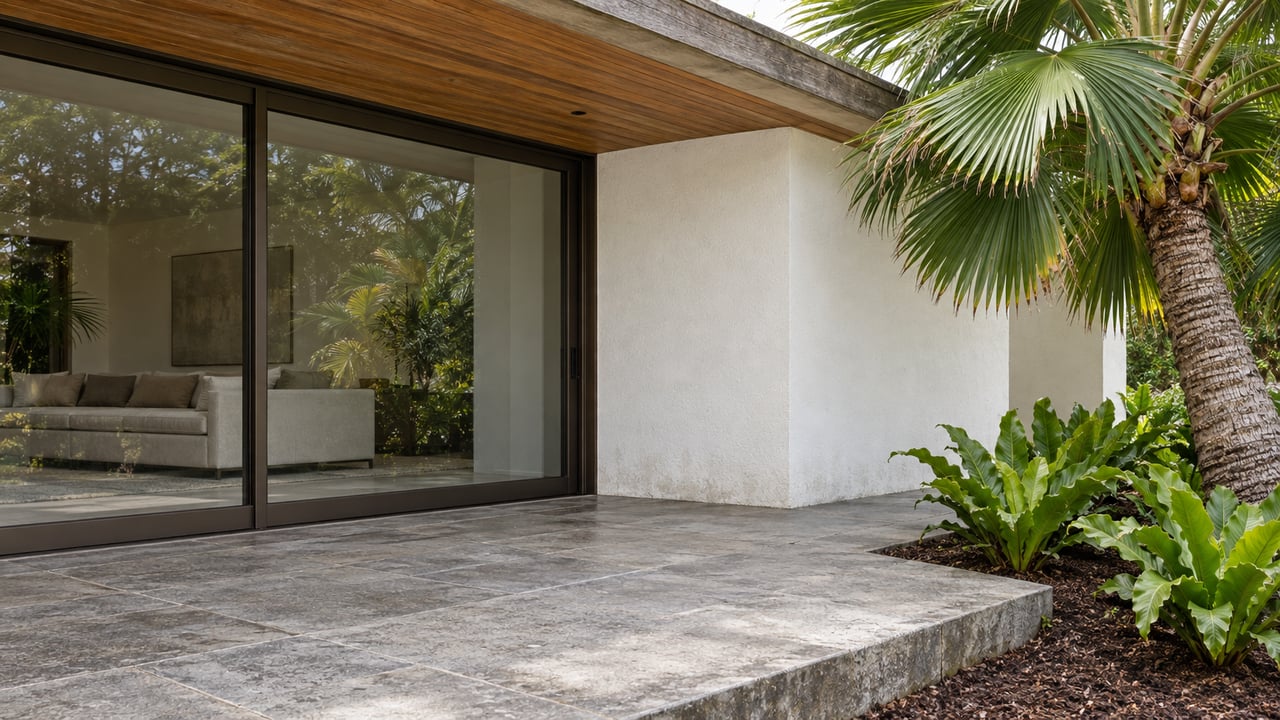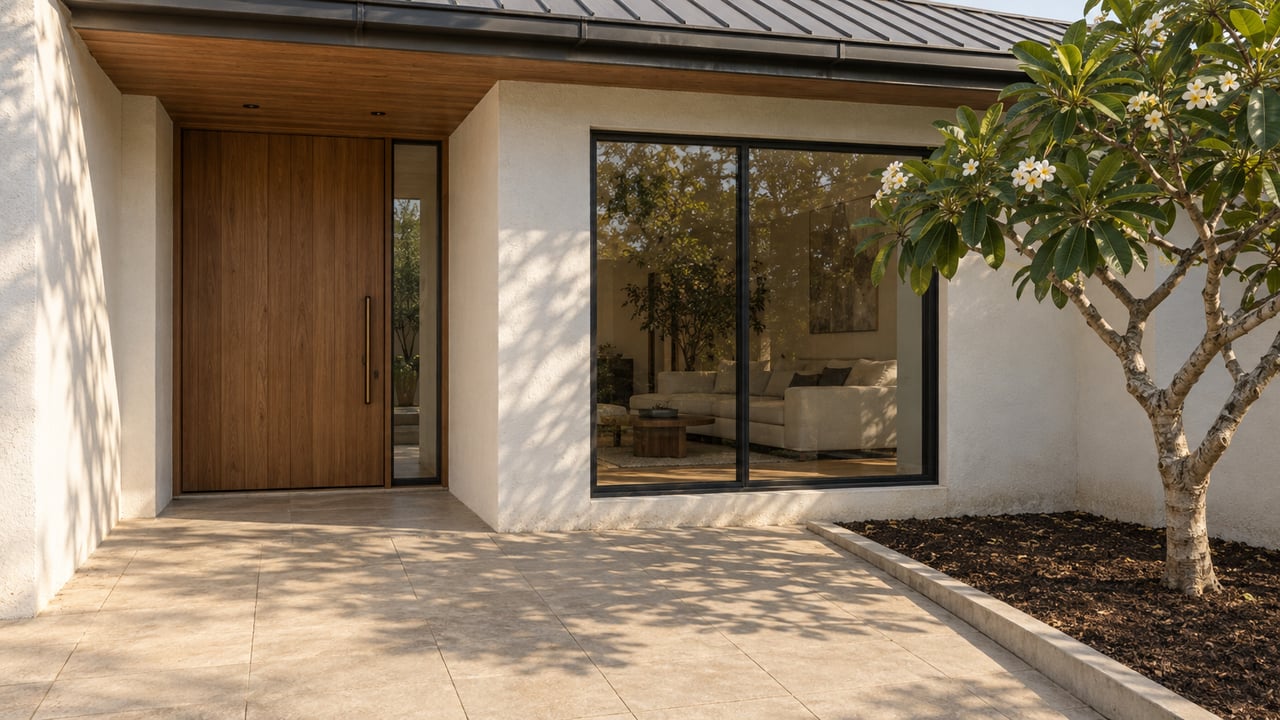
Kekainani at Hoakalei, the last 32 homes of the Kuapapa neighborhood above Oneʻula Beach, is advertising $40,000 for buyers to spend on upgrades or furnishings. The terms are printed at the bottom of the page. They decide what that $40,000 turns into. The credit can be used for options and upgrades through the Hoakalei Design Center, or for furnishings from Lalana Hawaiʻi. On a home still under construction, the credit becomes an "Option Credit." On a finished home, any design-center portion has to be used within one year of closing.
So a single $40,000 offer can become built-in finishes, a credit used after closing, or a houseful of furniture. A mortgage lender working under Fannie Mae's Selling Guide sorts those outcomes into different categories. Across Ewa Beach's new-construction communities this fall, builders have offered value to buyers in several forms. If you're comparing a new build here with a resale home elsewhere on Oahu, the form of the discount matters about as much as its size.
The terms behind Kekainani's offer
The offer runs from October 16, 2026 through February 28, 2027 for qualified buyers, and the builder says it may change or be canceled without notice. On the collection's listings page dated October 2, available homes ranged from $2.715 million to $3.988 million, and several lots were marked in escrow. The homes come with Hoakalei's setting: the private Hoakalei Country Club and its 18-hole Ernie Els course, plus Wai Kai, which the developer describes as having Hawaii's first deep-water surf wave.
The terms also offer complimentary consultations with the design center and with Lalana Hawaiʻi. That makes it an offer built around finishes and furniture, which matters once you see how the lending rules treat furniture.
How Fannie Mae classifies builder contributions
Fannie Mae calls money from a builder, seller or agent toward costs the buyer would normally pay an "interested party contribution." Its Selling Guide section on interested party contributions lists the builder or developer as an interested party by name. The guide then splits these contributions into two groups, and those two groups explain how the Ewa offers differ.
| What the builder offers | How Fannie Mae classifies it | What happens to it |
|---|---|---|
| A lower posted price | Not a contribution; it's simply the price | The contract price is lower |
| Help with closing costs or prepaids | Financing concession | Allowed up to a cap tied to loan-to-value |
| Builder-paid rate buydown | Counts toward the financing concession cap | Same cap applies |
| Up to 12 months of HOA assessments after closing | Financing concession | Same cap applies |
| Furniture, decorator allowances, moving costs, other giveaways | Sales concession | Deducted from the sales price before loan-to-value is calculated |
| Financing help above the cap or above actual closing costs | Treated as a sales concession | Also deducted from the sales price |
The last two rows carry the weight. Fannie Mae describes sales concessions as non-realty items and names "furniture, automobiles, decorator allowances, moving costs, and other giveaways." Those amounts have to be subtracted from the sales price. The lower of the reduced price or the appraised value is then used for underwriting. On a Fannie Mae loan, a furniture credit doesn't support the price the way a price cut does. It lowers the figure the loan is measured against.
The guide's list of sales concessions doesn't name design-center option credits on a home still under construction. How a particular lender and appraiser treat that kind of credit is something to raise with the lender early, before the contract is written.
The caps on closing-cost help
Help with closing costs, prepaids, a rate buydown or post-closing HOA dues counts as a financing concession. Fannie Mae limits those concessions by occupancy type and loan-to-value:
- Principal residence or second home, loan-to-value above 90%: 3%
- Principal residence or second home, 75.01% to 90%: 6%
- Principal residence or second home, 75% or less: 9%
- Investment property, any loan-to-value: 2%
The percentage is applied to the lower of the sales price or the appraised value, not the loan amount. The concession also can't exceed the buyer's actual closing costs. Anything over either limit becomes a sales concession and is deducted from the price. Here's the arithmetic on a home priced at $1,052,610: a buyer putting less than 10% down on a primary residence could receive about $31,578 in financing concessions before the excess is reclassified. The same home bought as a rental would have a 2% cap, or about $21,052.
Rate buydowns get specific treatment. If a builder, or a lender affiliated with the builder, pays for a temporary or permanent buydown, that cost counts toward the cap. The exception is a standby commitment arranged between builder and lender before any sales contract is signed.
Hoʻopili's red tags were the simplest kind of discount
D.R. Horton's approach at Hoʻopili this fall was easier to read. Its Red Tag Event ran from October 9 through November 1, and its Ewa Beach community pages posted marked-down prices with the line "Big home savings end November 1." Examples from the final week of the event:
- At Uluwehi at Hoʻopili, unit #3303 was listed at $504,960, down from $529,960, and unit #4310 at $469,460, down from $494,460.
- At ʻAhakea at Hoʻopili, unit #702 was listed at $684,465, down from $734,465.
- At Nanahea at Hoʻopili, unit #135 was listed at $1,099,250, down from $1,114,250, and unit #21 at $1,052,610, down from $1,063,610.
That event has ended, and the pages may look different by now. The markdowns still show the clearest form a builder discount can take. A lower contract price isn't an interested party contribution under Fannie Mae's guide, so nothing gets subtracted before loan-to-value is calculated. The $50,000 off at ʻAhakea counted in full, because it reduced the price itself.
Why builders are using both approaches now
These offers in Ewa Beach match what builders nationally reported this fall. In the NAHB/Wells Fargo Housing Market Index for October, 43% of builders said they cut prices, the highest share of the 2020 to 2026 period. The average cut was 6%, for the seventh month in a row. Sixty-five percent used sales incentives, the 19th straight month that share has been at least 60%. Builder confidence fell to 29, its lowest reading since June 2012.
NAHB's release quotes Chairman Bill Owens saying mortgage rates had "climbed well above 7% in recent weeks." At those rates, builders across the country are using both price cuts and incentives, and Ewa Beach had examples of each this fall.
Fannie Mae's comparable-sales rules say sales from the same neighborhood are the best indicator of value. For a builder's home, the appraisal has to discuss concessions and upgrades. A credit stays attached to the transaction and gets described in the appraisal.
The resale homes these new builds compete with
Comparing against resale homes gives the incentives some scale. In September 2026, according to the Honolulu Board of Realtors, Oahu's single-family resale median was $1,110,000 across 293 sales, with a median of 16 days on market. The condo median was $523,000 across 375 sales, with a median of 41 days on market. Those are islandwide figures, not Ewa Plain figures. Even so, they show that Hoʻopili's marked-down condos and Nanahea's homes were priced within reach of the island's resale medians. On Oahu that September, a condo typically took more than twice as long to sell as a house.
Fannie Mae limits a resale seller's help with closing costs the same way it limits a builder's. A homeowner in Mililani or Kapolei offering a closing-cost credit runs into the same 3%, 6% or 9% caps. What sets new construction apart is the furniture and design allowances, which resale homes rarely offer and which Fannie Mae deducts in full.
Quick answers
Does a $40,000 furniture credit count the same as $40,000 off the price? Not under Fannie Mae's Selling Guide. Furniture and decorator allowances are sales concessions, and they're deducted from the sales price before loan-to-value is calculated.
Is Kekainani's offer still available? The builder lists it as running through February 28, 2027, subject to change or cancellation without notice.
Do Fannie Mae's rules cover every Ewa Beach purchase? They apply to loans Fannie Mae buys. At Kekainani's multimillion-dollar prices, ask your lender early which guidelines apply to your loan.
Does a builder-paid rate buydown count toward the cap? Yes, unless it comes from a standby commitment arranged before the sales contract.
This post is general information, not legal, tax or financial advice. Lending rules depend on your loan, occupancy and down payment, so confirm how any builder offer applies to you with your lender and other qualified professionals.
When you have a Hoʻopili price sheet or a Hoakalei incentive in hand, we're glad to go through how the offer is structured with you and your lender before you commit, so you know which parts of the deal count toward value. Alesia Barnes and our team are here to help. Let's Connect.