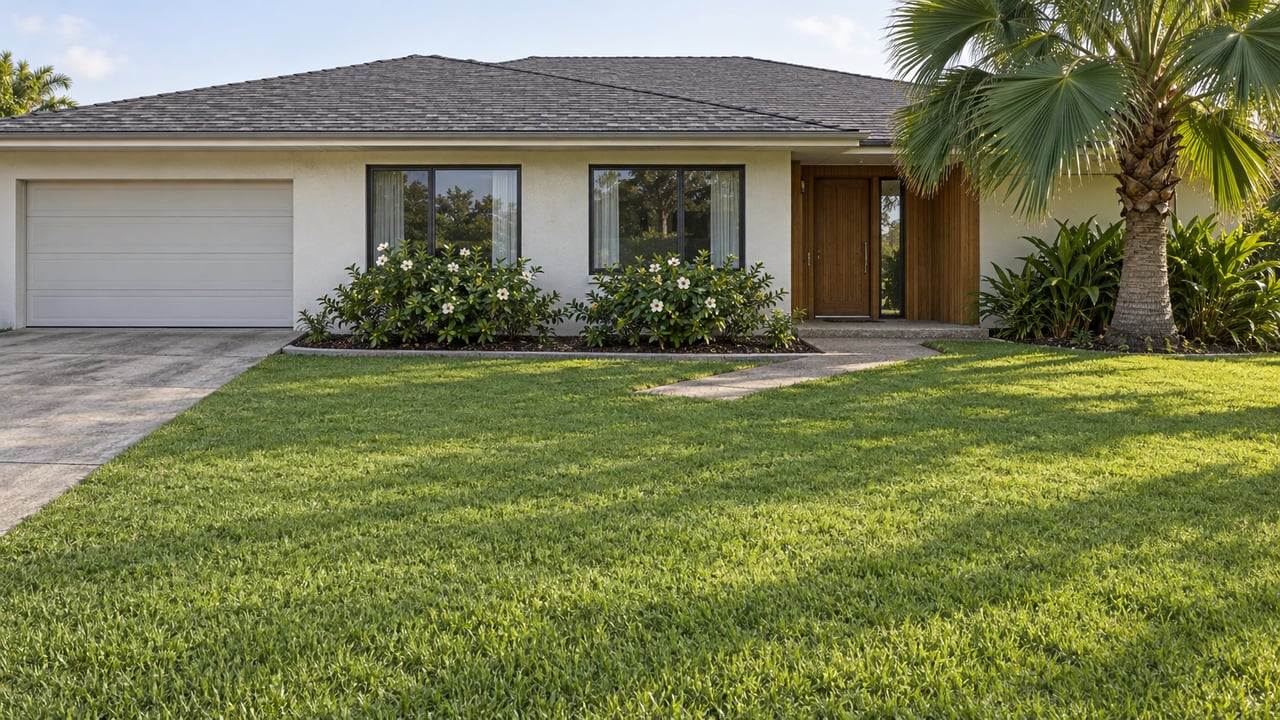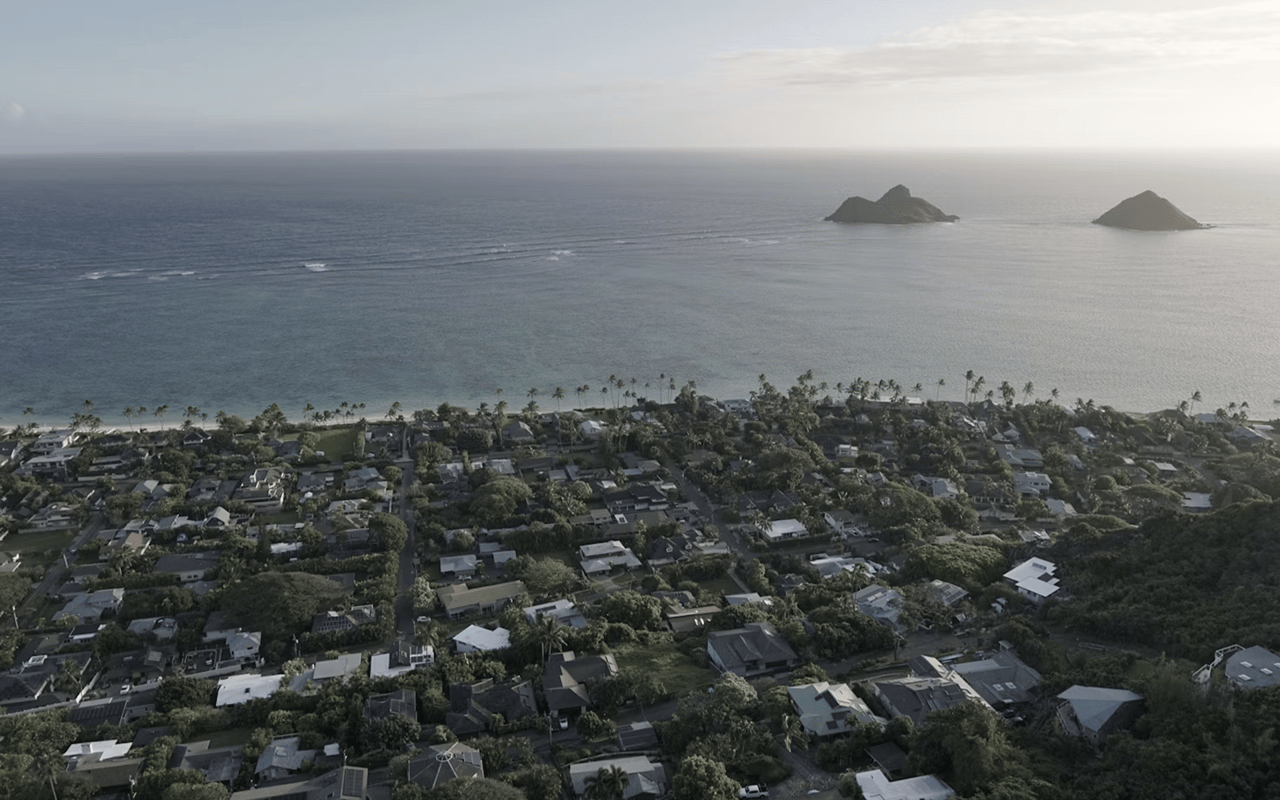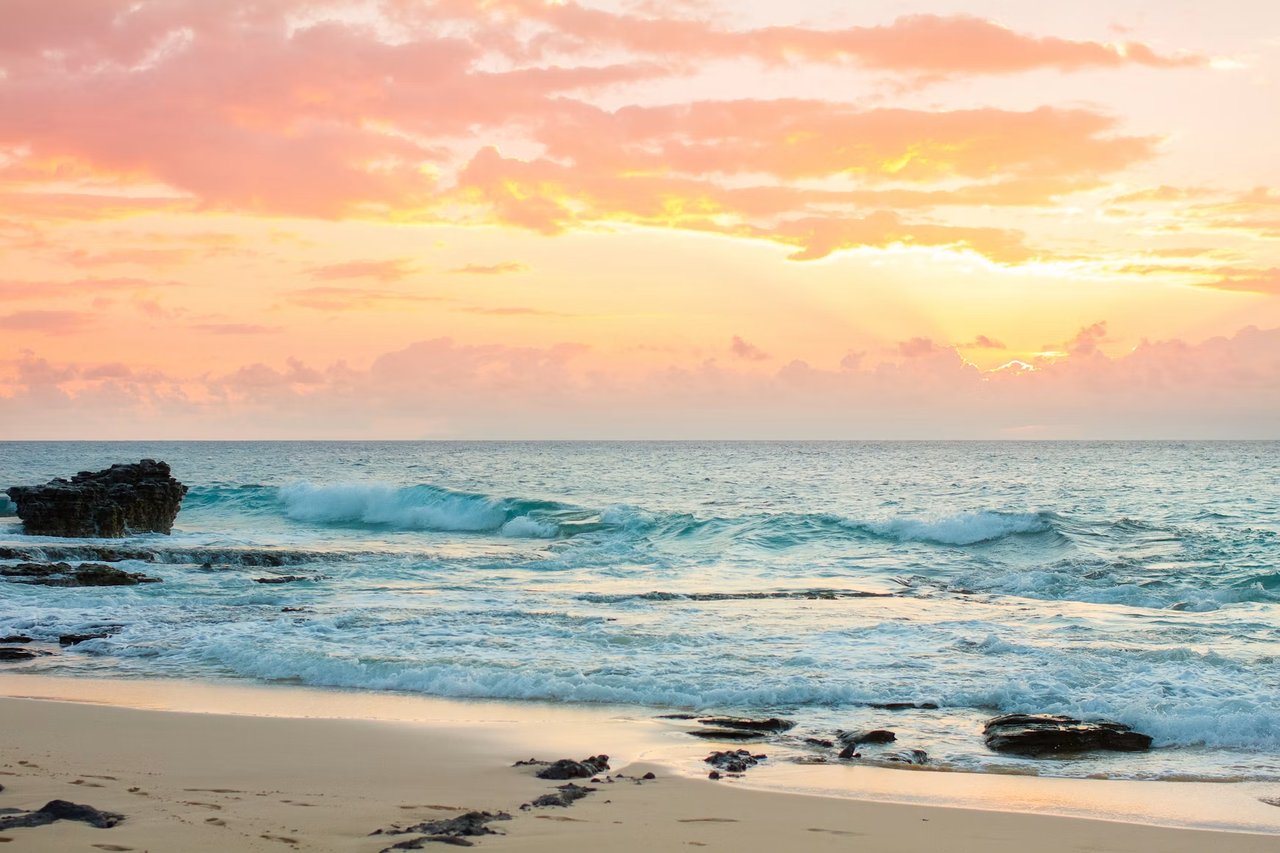
2026 Luxury Home Design Trends (Hawaii): The five defining trends in Hawaii luxury home design for 2026 are biophilic integration with invisible smart technology, passive cooling lanai architecture, indigenous materials (Koa wood, lava rock, volcanic stone), private wellness sanctuaries (cold plunge, infrared sauna, meditation decks), and multi-generational ohana suites. These trends reflect a shift from resort-style opulence toward high-performance, environmentally responsive residential design.
Building or buying in Hawaii?
Find Properties That Already Reflect the 2026 Design Standard
Homes in Kailua, Kahala, and Lanikai incorporating these design principles are commanding premiums. See what is available now.
2026 Luxury Home Design Trends: Hawaii at a Glance
| Trend | Key Feature | Primary Market |
|---|---|---|
| Biophilic Integration | Invisible smart systems, circadian lighting, automated privacy glass | Kahala, Kailua, Diamond Head |
| Passive Cooling Lanais | Retractable walls, pocketing glass, trade-wind airflow design | Portlock, Diamond Head, Windward |
| Indigenous Materiality | Koa and Ohia wood, volcanic stone, lava rock finishes | All Oahu luxury markets |
| Private Wellness Sanctuaries | Cold plunge, infrared sauna, meditation deck, ocean-facing yoga pavilion | Lanikai, North Shore, Ko Olina |
| Ohana Suite Design | Detached multi-generational units, luxury-grade finishes, separate entry | Kailua, Kahala, Hawaii Kai |
1. Biophilic Integration and Invisible Technology
The defining characteristic of 2026 luxury home design in Hawaii is technology that disappears into the architecture. Automated systems now adjust lighting to support circadian rhythms, regulate indoor temperature based on occupancy patterns, and shift privacy glass opacity in response to sun angle. In neighborhoods like Kahala and Kailua, buyers increasingly specify this "invisible integration" as a baseline requirement rather than an upgrade. The result is a home that performs technically while remaining visually calm and organic.
2. Passive Cooling and Aerodynamic Lanai Architecture
Hawaii's trade winds are one of its most underutilized architectural assets. In 2026, high-end design firms working in Portlock, Diamond Head, and Windward Oahu are engineering lanais and interior layouts specifically to channel prevailing trade winds through living spaces. Retractable glass walls and pocketing door systems allow full indoor-outdoor integration, while roof overhangs and louver systems manage sun exposure. The practical result is significantly reduced air conditioning dependency in a climate that averages 80-85°F year-round.
3. Indigenous Materiality: Koa, Ohia, and Volcanic Stone
The use of native Hawaiian materials in luxury construction has shifted from accent feature to primary design language. Koa wood, harvested from sustainably managed forests, appears in flooring, millwork, and cabinetry. Ohia is used in structural and decorative applications. Monolithic lava rock and volcanic stone appear in exterior cladding, feature walls, and pool surrounds. These materials perform well in Hawaii's humid coastal climate while connecting the structure to the island's geological and cultural identity. Note: Koa is a regulated material; sourcing requires verification of legal harvest certification before specification.
4. Private Wellness Sanctuaries
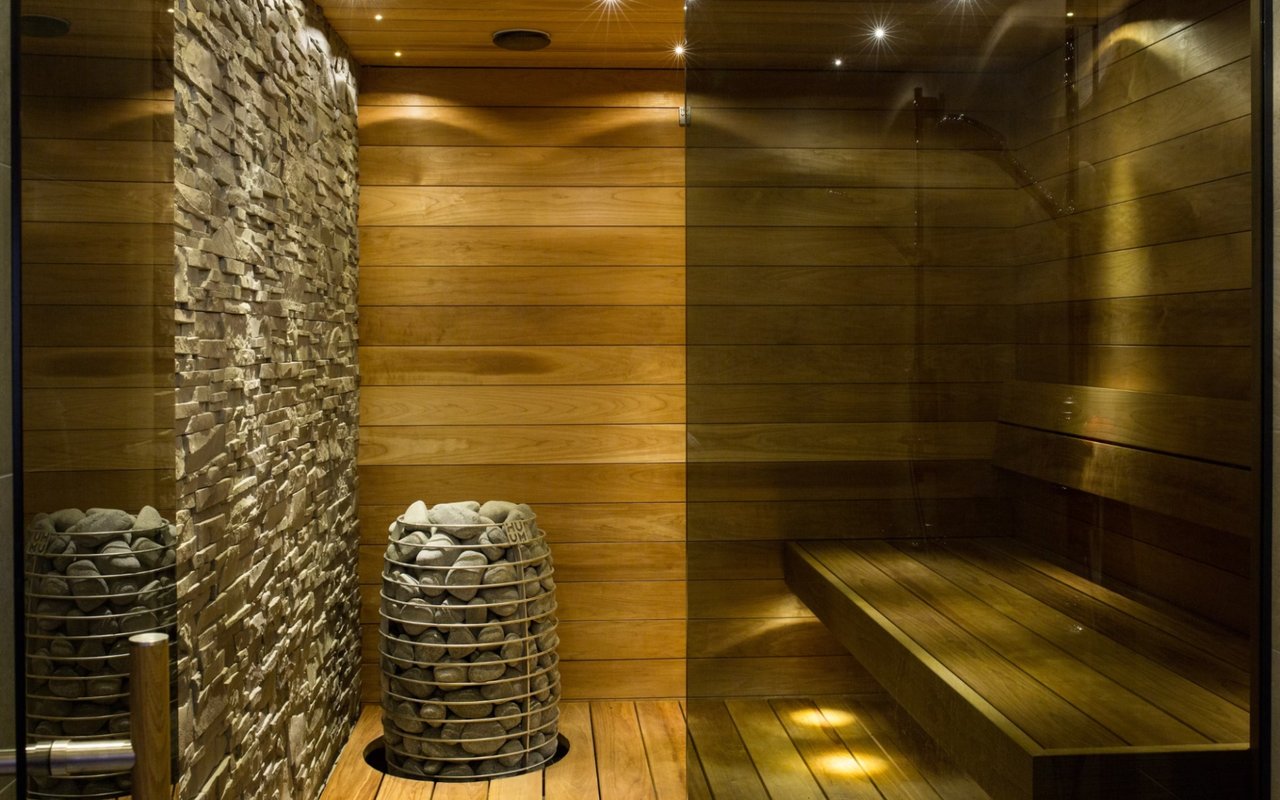
The dedicated wellness zone has become a non-negotiable feature in Hawaii luxury new construction and renovation. Oceanfront properties in Lanikai and the North Shore now routinely include cold-plunge pools (typically 50-58°F), infrared saunas, and meditation decks positioned to maximize ocean sightlines. In some Kahala and Hawaii Kai estates, full yoga pavilions with retractable roofs are incorporated into the primary structure. These spaces are no longer secondary amenities — they drive meaningful price premiums in the resale market.
5. Multi-Generational Ohana Suites
Demand for detached ohana units on luxury properties has increased sharply in 2026, driven by multi-generational family relocation to Hawaii and by buyers seeking flexible rental income or guest accommodation. In Kailua and Kahala, properties with a permitted detached ohana suite — finished to the same standard as the primary residence — command measurable premiums over comparable properties without. Buyers evaluating properties with ohana potential should verify zoning compliance and permitted square footage with the City and County of Honolulu before purchase.
Where These Trends Are Most Active on Oahu
The neighborhoods where 2026 design trends are being most actively applied in new construction and renovation are Kailua (biophilic and passive cooling design on Windward lots), Kahala (wellness sanctuaries and smart home integration in estate renovations), Diamond Head (indigenous materiality and lanai architecture on hillside properties), and Kaneohe (ohana suite construction on larger Windward lots). For buyers seeking properties already incorporating these features, see the future of ultra-luxury real estate in Lanikai and Kailua.
Work with an Oahu Luxury Specialist
Alesia Barnes (License #RB22312) is a Compass broker specializing in Oahu luxury real estate across Kailua, Lanikai, Kahala, and Diamond Head. Office: 4211 Waialae Ave., Suite 100, Honolulu, HI 96816. Phone: (808) 397-7928. She works with buyers seeking properties that reflect the 2026 design standard and with sellers positioning renovated homes for maximum market value.
View Kailua Homes View Kahala Luxury HomesRelated Reading
Frequently Asked Questions: 2026 Luxury Home Design
What are the top luxury home design trends for 2026?
The top luxury home design trends for 2026 are biophilic integration (smart technology embedded invisibly into architecture), passive cooling design (trade-wind airflow engineering and retractable glass walls), indigenous materiality (Koa wood, Ohia, volcanic stone), private wellness sanctuaries (cold plunge, infrared sauna, ocean-view meditation decks), and multi-generational ohana suites. In Hawaii, these trends are particularly active in Kailua, Kahala, Lanikai, and Diamond Head, where buyers are applying them in both new construction and estate renovation.
What is biophilic design in luxury homes?
Biophilic design in luxury homes refers to architecture and interior design that strengthens the connection between occupants and the natural environment. In practice, this includes maximizing natural light and views, using natural materials like wood and stone, incorporating living plants and water features into the structure, and using smart technology that responds to natural patterns such as circadian rhythms and sun angles. In Hawaii, biophilic design naturally aligns with the climate, landscape, and cultural value placed on the relationship between people and the land.
Are ohana suites a good investment in Hawaii?
Yes, permitted ohana suites consistently add value to Hawaii luxury properties. A detached ohana unit finished to the same standard as the primary residence provides flexible use as guest accommodation, multi-generational family housing, or long-term rental income. In Kailua and Kahala, properties with a permitted detached ohana command measurable premiums over comparable properties without. Buyers should verify that any ohana unit is fully permitted by the City and County of Honolulu before purchase, as unpermitted structures create liability and financing complications.